풀만 다낭 비치 리조트 - 럭셔리 호텔 - Explore Son Tra Peninsula Da Nang: Why It’s a Must-Visit Destination?



Explore Son Tra Peninsula Da Nang: Why It’s a Must-Visit Destination?
Son Tra Peninsula is one of the most prominent natural destinations to include when exploring Da Nang, where primary forest, blue sea and mountain-side roads create a landscape characteristic of this coastal city. The area offers a wide range of experiences, from visiting Linh Ung Pagoda in Da Nang and admiring the view from Ban Co Peak to swimming, stand-up paddleboarding, snorkelling, trekking and observing the forest ecosystem. However, each activity has its own recommended time, transport requirements and safety considerations, so researching in advance will help visitors plan a more suitable itinerary when exploring Son Tra Peninsula.
Where Is Son Tra Peninsula?
- Address: Tho Quang Ward, Son Tra District, Da Nang
- Distance from central Da Nang: 10 km
- Location: Northeast of Da Nang
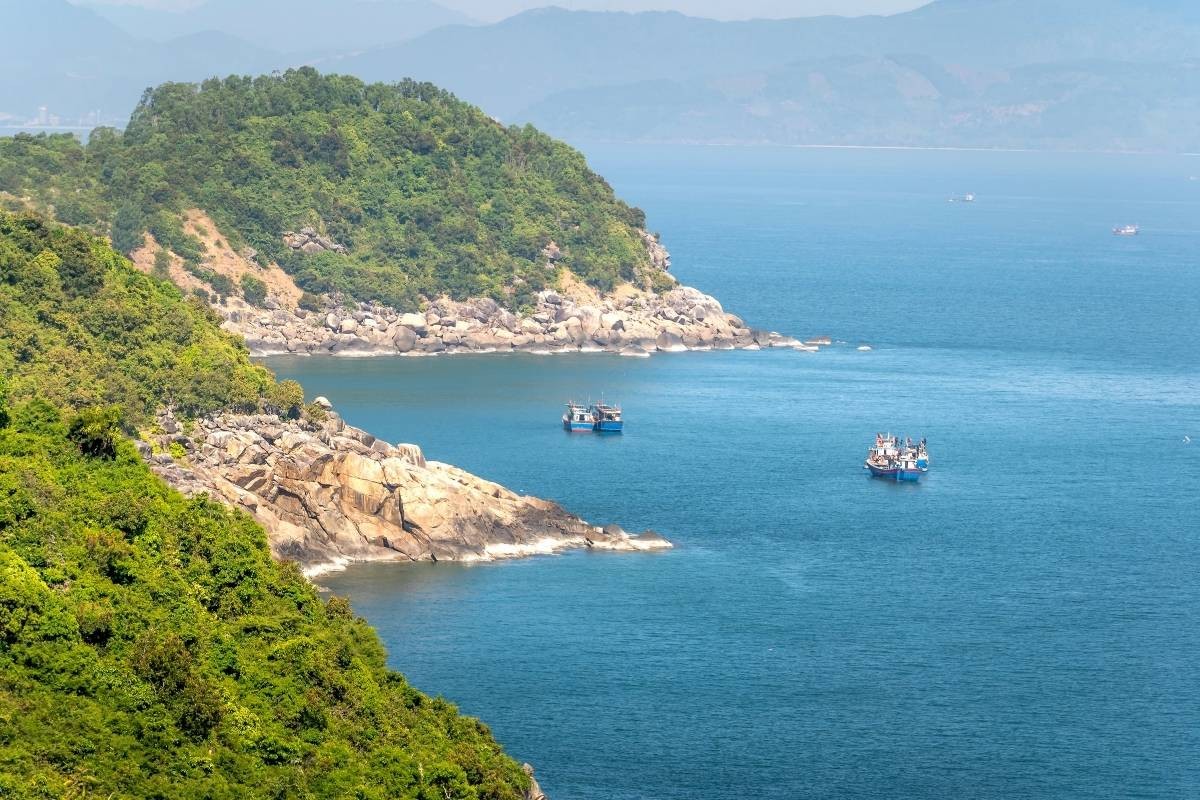
According to the Da Nang tourism information portal, Son Tra Peninsula covers approximately 4,390 hectares, has a perimeter of around 50 km and is an extension of the Truong Son mountain range reaching towards the sea. Its terrain creates a distinctive environment: green forest on one side, open sea on the other, with mountain-side roads, rocky shores, beaches and viewpoints overlooking the city in between.
The combination of primary forest, blue sea and a location close to the city centre makes Son Tra Peninsula one of the Son Tra attractions suitable for different types of visitors. Families can visit Linh Ung Pagoda and beaches near the main roads; couples can choose scenic viewpoints and photography spots; while nature lovers can spend more time exploring the forest, observing red-shanked douc langurs or trekking through suitable areas.
Detailed Guide to Travelling to Son Tra Peninsula
Directions to Son Tra Peninsula

- From central Da Nang: Visitors can cross the Han River Bridge, continue along Pham Van Dong Street, turn left onto Hoang Sa Street and follow the road directly towards Son Tra Peninsula. This is a popular and straightforward route with several scenic coastal sections.
- From Da Nang International Airport: Visitors can travel by taxi, ride-hailing service, private car, private transfer or a hotel or resort shuttle service. Travelling to the Son Tra area usually takes around 30–45 minutes, depending on traffic conditions and the specific destination.
- From Hoi An: Visitors can follow the coastal route along Truong Sa, Vo Nguyen Giap and Hoang Sa streets to reach Son Tra Peninsula. This route is convenient for travellers who want to combine Hoi An, the Marble Mountains, My Khe Beach and Son Tra in the same itinerary.
- From Hue: Visitors should prioritise a private car or private transfer for greater control over the schedule. The Hue – Hai Van Pass – central Da Nang – Son Tra Peninsula route can also be combined into a more complete sightseeing journey through Central Vietnam.
Transport Options for Visiting Son Tra Peninsula
| Transport | Best Suited To | Estimated Price | Notes |
| Motorbike rental | Visitors who prefer the freedom to explore independently | VND 120,000–200,000 per day | Check the brakes, lights and fuel before departing, and avoid steep roads during rainy weather.
For steep routes or elevated sightseeing areas such as Tien Sa – Suoi Om – Ban Co Peak and Ban Co Peak – Bai Bac, visitors should check current traffic regulations before departure because motorbike access is restricted. |
| Taxi | Families, small groups and first-time visitors to Da Nang | VND 150,000–350,000 one way | Suitable for visiting Linh Ung Pagoda, Bai But and Bai Rang |
| Ride-hailing service | Visitors travelling to nearby destinations where return rides are readily available | VND 120,000–300,000 one way | It may be difficult to book a return ride from remote locations or mountain roads |
| Private car rental | Families, groups of friends and visitors who prefer a private itinerary | VND 700,000–1,500,000 for half a day | Convenient for visiting several destinations in one day |
| Private transfer from a hotel or resort | Visitors who prioritise comfort | VND 200,000–500,000 one way | Book in advance to secure the preferred pickup time and itinerary |
For first-time visitors exploring Son Tra, a taxi, private car or transfer service provides a safer and more comfortable option. When travelling by motorbike, ride during daylight hours, slow down on steep sections and check the weather before departure.
5 Activities to Try on Son Tra Peninsula
1. Swimming
Swimming is one of the most accessible activities when visiting Son Tra Peninsula. Compared with the beaches in Da Nang near the city centre, many beaches around Son Tra offer a quieter atmosphere, making them suitable for resting, enjoying the scenery and combining with a peninsula sightseeing itinerary.
- Recommended beaches:
- Bai But – known for its peaceful surroundings, proximity to Linh Ung Pagoda and convenience for combining both destinations in the same itinerary.
- Bai Rang – suitable for enjoying sea views, taking photographs and experiencing the rustic natural scenery of Son Tra Peninsula.
- Experience highlights: Visitors can enjoy blue water, gently sloping sand, a peaceful coastal atmosphere and surrounding forested mountains.
- Best suited to: Families, couples, groups of friends or visitors looking for a relaxing experience by the sea.
- Notes: Choose an area with on-site management or support services, avoid swimming too far from the shore and always check wave conditions, especially when travelling with children.
2. Stand-Up Paddleboarding
Stand-up paddleboarding is a gentle yet engaging outdoor activity for visitors who want to explore the beauty of Son Tra’s coastline from the water. While standing or sitting on a paddleboard, you can observe the coastline, forested mountains and peaceful natural surroundings of the peninsula from a different perspective.

- Recommended locations:
- Bai Nam – suitable for visitors who want to paddleboard in relatively calm coastal surroundings.
- Bai Nom – often noted for its attractive water conditions and suitability for coastal activities.
- Bai But – convenient for combining stand-up paddleboarding, swimming and a visit to Linh Ung Pagoda.
- Man Thai – Hon Sup – an area chosen by many visitors for stand-up paddleboarding and watching the sunrise over the sea.
- Experience highlights: While paddleboarding, visitors can admire the coastline, forested mountains, clear water and peaceful natural surroundings of Son Tra.
- Recommended time: Early morning is ideal because the sea is usually calm, the sunlight is gentle and the air is cooler.
- Best suited to: Visitors who enjoy gentle outdoor activities and want to experience Son Tra’s coastline from the water.
- Notes: First-time paddleboarders should choose a guided tour that provides a life jacket and safety equipment. Do not paddle independently during strong winds, overcast weather or large waves.
3. Snorkelling
Snorkelling is a worthwhile experience for visitors who want to discover the underwater beauty surrounding Son Tra Peninsula. The activity provides a closer view of the marine ecosystem, including coral reefs, small fish and the clear blue water characteristic of Da Nang’s coastline.
- Recommended locations:
- Bai Nam – one of the areas commonly selected for marine activities and snorkelling around Son Tra.
- Bai Nom – suitable for visitors who want to explore the underwater scenery during a Son Tra journey.
- Bai But – convenient for combining snorkelling, swimming and a break beside the beach.
- Best suited to: Visitors who enjoy marine activities and want to explore the underwater ecosystem surrounding Son Tra Peninsula.
- Experience highlights: The activity allows visitors to observe coral reefs, small fish and the clear blue water characteristic of Da Nang’s coastline.
- Experience options: Depending on the operator, visitors may join a snorkelling activity or a combined sea tour featuring swimming, boating, sightseeing and seafood.
- Notes: Check the weather, choose a reputable operator and do not touch the coral, break marine organisms or otherwise disturb the natural ecosystem.
4. Observing Red-Shanked Douc Langurs
The red-shanked douc langur is one of the distinctive ecological symbols of Son Tra Peninsula. Alongside the blue sea, primary forest and scenic roads, this primate contributes to the destination’s unique appeal.
- Recommended location: Douc Watching Point – an area frequently mentioned for observing red-shanked douc langurs.
- Best suited to: Nature lovers, wildlife observers and visitors who want to understand the distinctive ecological value of Son Tra Peninsula.
- Experience highlights: The red-shanked douc langur is one of Son Tra’s ecological symbols. The animals live in their natural habitat and usually move in groups.
- Recommended time: Early morning from 6:00–8:30 or the cooler late afternoon from around 15:30–17:30 generally provides better viewing opportunities.
- Notes: Visitors should maintain a safe distance, avoid making noise, never feed the animals and refrain from using flash photography to prevent disturbing the natural behaviour of this rare species.
5. Trekking to Mui Nghe
Mui Nghe is an unspoilt destination on Son Tra Peninsula for nature lovers, trekking enthusiasts and visitors looking for a distinctive sunrise viewpoint in Da Nang. It is also one of the routes frequently mentioned in discussions of trekking in Da Nang for outdoor enthusiasts.

- Recommended location: Mui Nghe – an unspoilt destination on Son Tra Peninsula known for its natural scenery, challenging trekking route and attractive sunrise viewpoint.
- Best suited to: Nature lovers and trekking enthusiasts who want to explore a more rustic and less crowded part of Son Tra.
- Experience highlights: The Mui Nghe trekking route may include forest tracks, rocky sections and natural trails, creating an adventurous experience close to nature.
- Essential preparation: Visitors should bring shoes with good grip, drinking water, sun protection and only the items that are genuinely necessary.
- Notes: Visitors unfamiliar with Son Tra’s terrain should travel with a guide, an authorised trekking tour or an operator familiar with the area. Do not trek alone, especially very early in the morning, late in the afternoon or after rain.
What Is Special About the Food on Son Tra Peninsula?
1. Seafood
Seafood is one of the leading culinary experiences when exploring Son Tra Peninsula. Thanks to its coastal location and proximity to fishing villages, the Son Tra area offers many fresh options, including prawns, squid, fish, crab, clams and various types of shellfish.
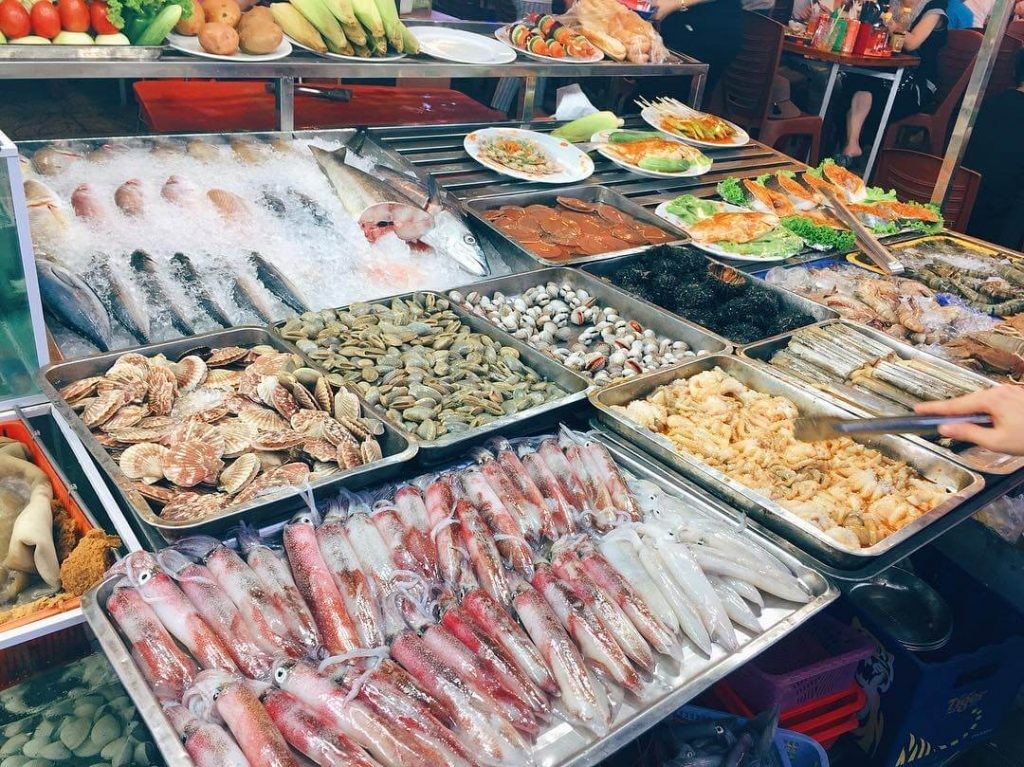
Visitors can enjoy seafood in coastal areas near Son Tra, Man Thai, Tho Quang or along roads close to the sea when these locations suit the sightseeing itinerary. Ask about prices before ordering, choose a restaurant with a clear menu and prioritise simply prepared seafood to appreciate its natural freshness.
2. Coconut Wine
Coconut wine is a local drink frequently mentioned in discussions of Son Tra Peninsula’s cuisine. It is an interesting choice for visitors who want to discover a rustic local flavour after sightseeing or purchase something distinctive as a gift.
This drink is usually fermented with glutinous rice, yeast and coconut, creating a mildly warming, gently sweet flavour that differs from conventional traditional spirits. Visitors should consume it in moderation and must not drive after drinking.
3. Forest Specialities
Alongside seafood, wild forest vegetables are another rustic culinary feature associated with Son Tra’s green surroundings. Commonly mentioned varieties include fiddlehead fern, rau sam, rau cach, rau sung and wild tamarind.
These vegetables are usually prepared simply by boiling, stir-frying with garlic, cooking in soup or serving alongside seafood. The dishes suit visitors who want to experience flavours connected with nature after travelling through the peninsula’s forest and mountain routes.
Top 11 Famous Attractions on Son Tra Peninsula
1. Linh Ung Pagoda
- Address: Bai But, Son Tra Peninsula, Da Nang
- Opening hours: Approximately 06:00–21:00 daily
- Admission: Free
- Distance from central Da Nang: Approximately 10 km
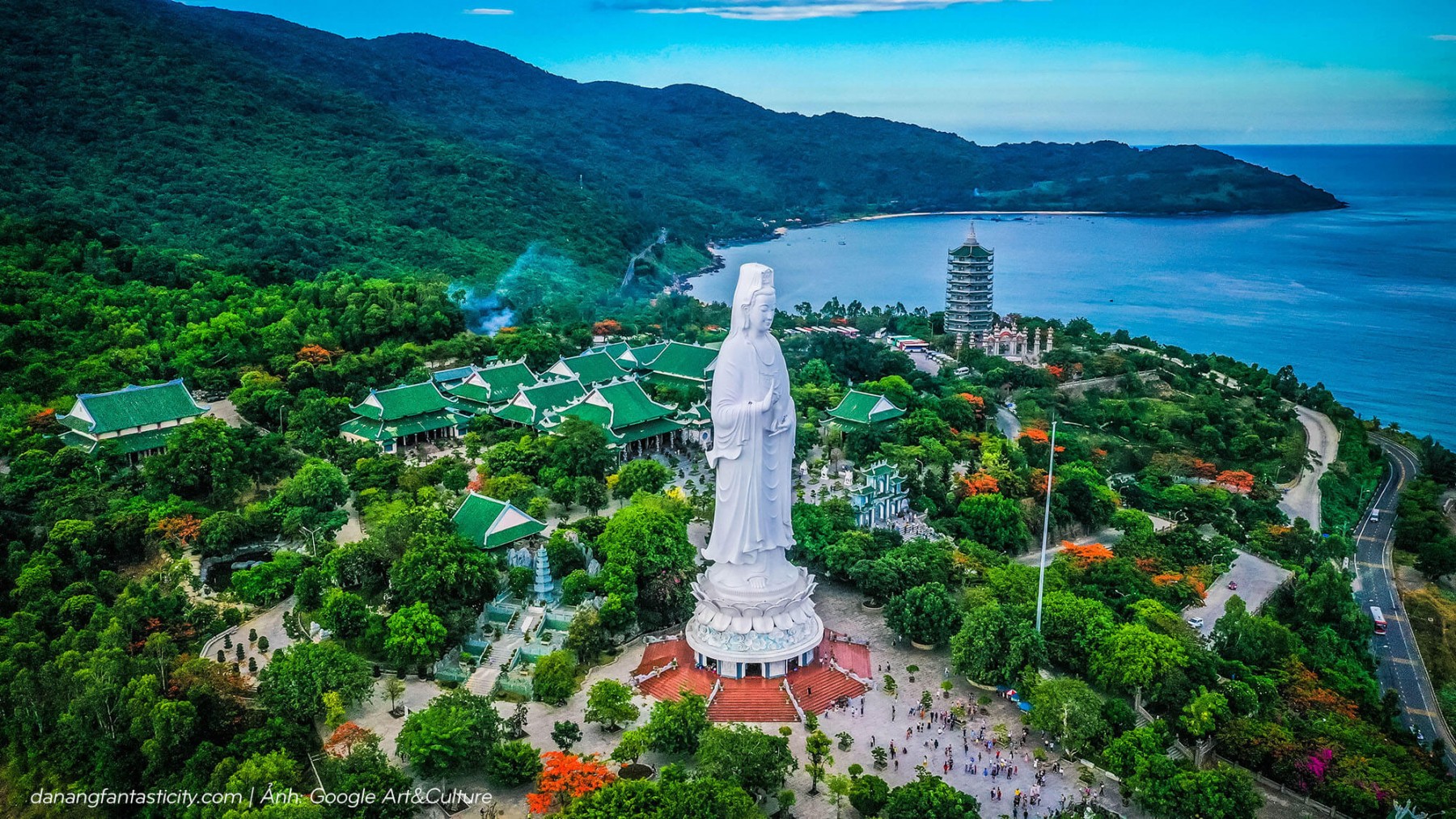
Linh Ung Pagoda in Da Nang is one of the most prominent stops when exploring Son Tra Peninsula. Located in the Bai But area, the pagoda rests against the mountain and faces the sea, creating surroundings that feel both solemn and expansive.
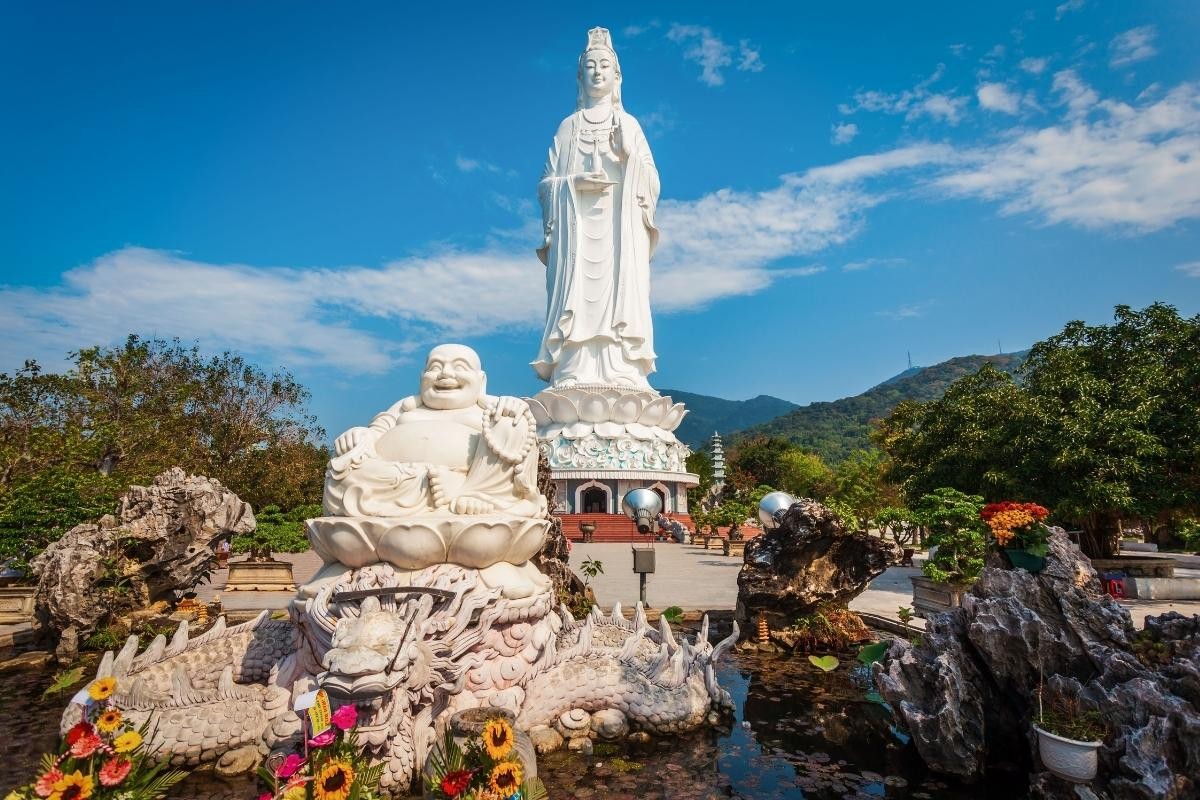
A defining feature of Linh Ung Pagoda is its 67-metre Lady Buddha statue, which stands prominently against the blue sky and open sea. From the pagoda grounds, visitors can look across My Khe Beach, Da Nang and the winding mountain-side roads around Son Tra. The location is suitable for worship, sightseeing, photography and beginning a day trip around Son Tra.
2. Tien Sa Ecotourism Area
- Address: North of Son Tra Peninsula, Son Tra District, Da Nang
- Distance from central Da Nang: Approximately 12–15 km
Tien Sa Ecotourism Area is suitable for visitors seeking a quieter coastal environment than the beaches near the city centre. It is distinguished by pale sand, blue water and surroundings enclosed by Son Tra’s forested mountains.
Tien Sa’s defining quality is a sense of separation that supports relaxation without placing visitors too far from the city centre. Visitors can stop at Tien Sa to swim, rest, admire the scenery or include it in an itinerary covering attractions in the northern part of Son Tra Peninsula.
3. Ban Co Peak
- Address: Son Tra mountain summit area, Son Tra District, Da Nang
- Admission: Free
- Distance from central Da Nang: Approximately 15–17 km
Ban Co Peak is one of the most famous viewpoints on Son Tra Peninsula. Located at an elevation of nearly 700 metres, it offers expansive views of the sea, Han River, the city’s iconic bridges and the wider Da Nang skyline.

Ban Co Peak offers the distinctive experience of standing among forested mountains while still seeing the urban activity in the distance. The route to the summit contains steep sections and bends, so visitors should travel in dry weather and prioritise a manual motorbike or car if they are unfamiliar with mountain roads.
4. Obama Rock Beach
- Address: Coastal area of Son Tra Peninsula near Hoang Sa Street
- Admission: Parking fees may apply
- Distance from central Da Nang: Approximately 10–12 km
Obama Rock Beach, also known by many visitors as Black Rock Beach or Bai Da, is distinguished by natural rock formations, blue water and photography spots close to the sea. It is a suitable stop for visitors who want to admire the scenery, take photographs and experience Son Tra’s coastal atmosphere during a shorter itinerary.
The area’s defining feature is its rustic beauty created by the rocks, sea and forested mountains. Some sections offer shelters, food services or photography facilities, so visitors should ask about prices before using any service and take care when walking across slippery rocks.
5. Thousand-Year-Old Banyan Tree
- Address: Forest area of Son Tra Peninsula, Son Tra District, Da Nang
- Admission: Free
- Distance from central Da Nang: Approximately 15 km
The Thousand-Year-Old Banyan Tree is one of the most notable natural symbols of Son Tra Peninsula. According to Danang Fantasticity, the Son Tra banyan tree is more than 800 years old, stands approximately 22 metres tall and has a substantial trunk and aerial root system that creates an impressive form.
The site is defined by its ancient and unspoilt atmosphere within the green forest. Visitors can stop to take photographs, observe the forest ecosystem and gain a clearer appreciation of Son Tra’s natural beauty. During the visit, remain quiet, do not leave rubbish and avoid touching or damaging the tree and its surrounding area.
6. Burnt Grass Field
- Address: 4729+9GF, Hoang Sa, Son Tra, Da Nang
- Admission: Free
- Distance from central Da Nang: Approximately 10–15 km
Burnt Grass Field is a photography location popular with many young visitors exploring Son Tra. When the grass turns golden, the landscape takes on a gentle appearance that works well for travel photographs, couple portraits and landscape photography.
The defining quality of Burnt Grass Field is its simplicity and visual atmosphere. The open surroundings, afternoon sunlight and distant sea create a poetic setting. Visitors should choose a time with mild sunlight, avoid standing near steep edges and refrain from trampling the vegetation or leaving rubbish in the natural area.
7. Son Tra Lighthouse
- Address: Tien Sa area, Son Tra Peninsula, Da Nang
- Opening hours: 5:00–21:00
- Admission: Free
- Distance from central Da Nang: Approximately 15–18 km
Son Tra Lighthouse, also known as Tien Sa Lighthouse, is one of the peninsula’s interesting scenic viewpoints. According to Danang Fantasticity, the lighthouse was constructed during the 20th century and stands at an elevation of approximately 223 metres above sea level.
The location is distinguished by its open sea views and the peaceful atmosphere of the mountainside surroundings. Visitors can combine Son Tra Lighthouse with Tien Sa, Ban Co Peak or nearby scenic roads to create a more complete Son Tra itinerary.
8. Bai Rang and Bai But
- Address: Coast of Son Tra Peninsula, Son Tra District, Da Nang
- Distance from central Da Nang: Approximately 8–12 km
Bai Rang and Bai But are two attractive coastal areas that can be conveniently combined in a Son Tra Peninsula itinerary. Bai But is near Linh Ung Pagoda, making it suitable for visitors who want to visit a spiritual landmark before resting beside the sea. Bai Rang has a more rustic character and is suitable for sea views, photography and enjoying the fresh air.
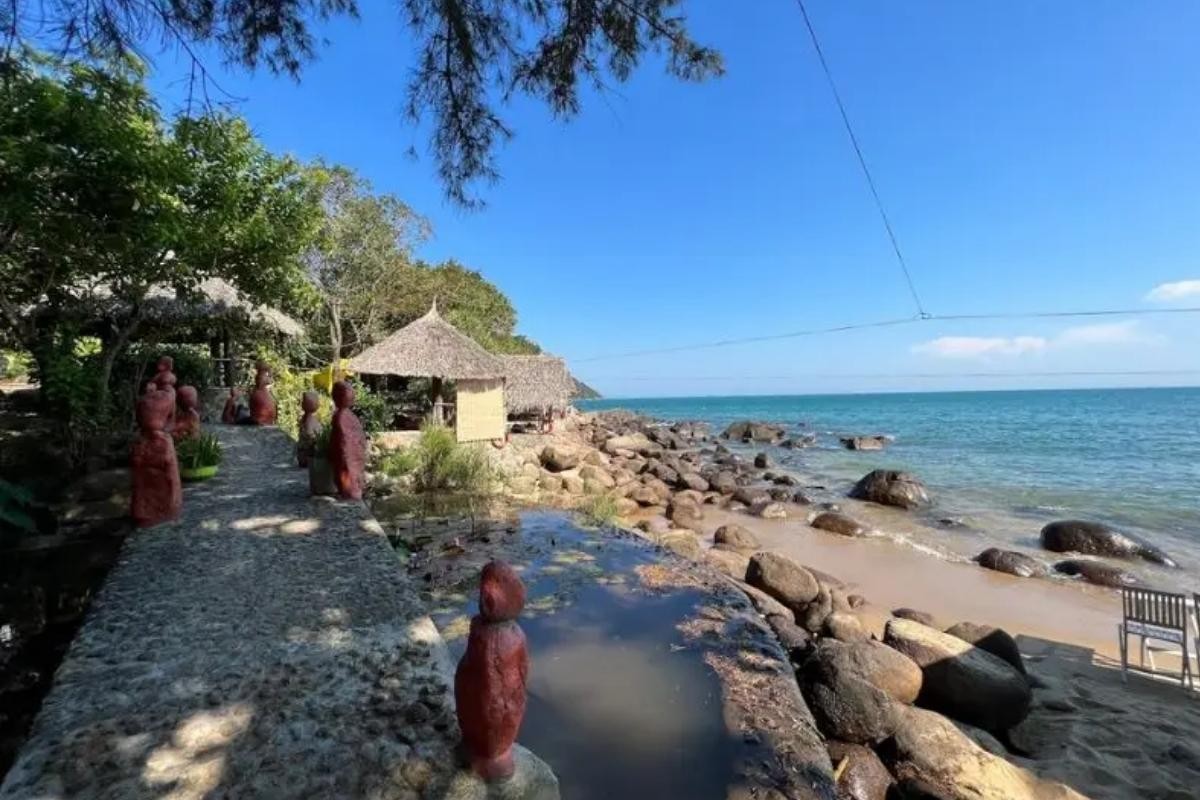
The defining feature of these beaches is the balanced landscape of blue sea, natural rock formations and forested mountains. Visitors can arrive in the morning or late afternoon to avoid intense sunlight and should check wave conditions before swimming.
9. Ghenh Bang
- Address: Hoang Sa, Son Tra, Da Nang
- Opening hours: Open all day
- Admission: Free
- Distance from central Da Nang: Approximately 15 km
Ghenh Bang is suitable for visitors who appreciate the unspoilt beauty of Son Tra’s coastline. The area contains numerous natural rock formations, clear water and quieter surroundings than many popular attractions. According to Danang Fantasticity, parts of the route descending to Ghenh Bang are steep and slippery, so visitors must take care while travelling.
Ghenh Bang’s defining feature is the feeling of being close to an original natural landscape. It is suitable for photography, sea views and spending time in peaceful surroundings. Visitors should wear shoes with good grip, avoid travelling after rain and stay away from the rocky area when waves are large.
10. Green Lake
- Address: Near the road leading up Son Tra Peninsula, Son Tra District, Da Nang
- Opening hours: Open all day
- Admission: Free
- Distance from central Da Nang: Approximately 8–10 km
Green Lake is a gentle stopping point for visitors who want to take photographs or rest before continuing further into Son Tra. The lake sits among green mountain scenery, with still water and open surroundings that create a calming atmosphere upon arrival.
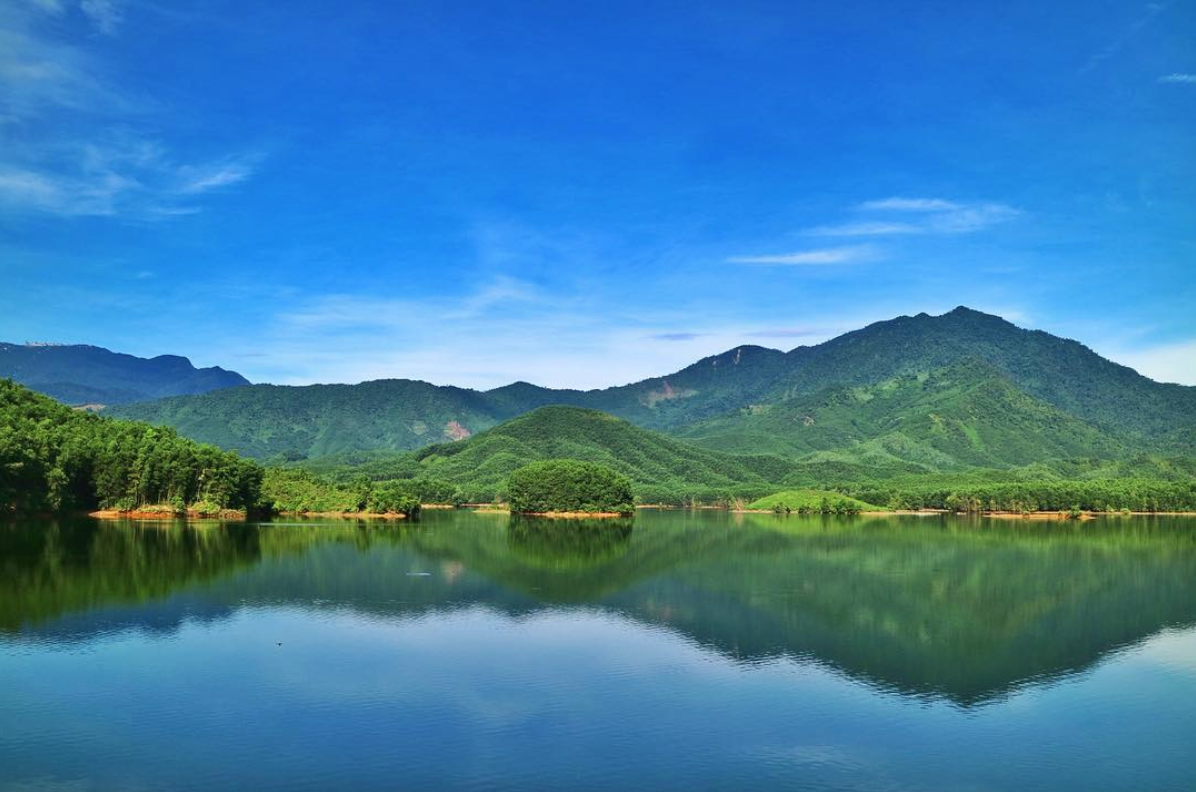
Green Lake is distinguished by a simple yet photogenic landscape. It is suitable for combining with a visit to Linh Ung Pagoda, particularly for visitors who want an accessible photography location close to the city centre that does not require a substantial amount of time.
11. Radar Station 29
- Address: Son Tra mountain area, Son Tra District, Da Nang
- Opening hours: 24 hours
- Distance from central Da Nang: Approximately 17–20 km
Radar Station 29 is located in an elevated part of Son Tra Peninsula and is often mentioned as a place offering broad views of the sea, mountains and city. The location also has historical significance connected with Son Tra’s former strategic role.
The area offers the distinctive experience of standing in a high mountain environment with several layers of Da Nang’s landscape visible below. However, because some sections are connected with security operations, visitors must follow all signs, avoid entering restricted zones and only visit areas that are open to the public.
Complete A–Z Guide to Visiting Son Tra Peninsula
The Best Time of Year to Visit Son Tra Peninsula
The best time to explore Son Tra Peninsula is from March to May. During this period, the weather is generally dry and sunny, making it suitable for outdoor activities such as swimming, stand-up paddleboarding, visiting Linh Ung Pagoda, enjoying the view from Ban Co Peak or trekking.
From June to August, Da Nang usually experiences stronger sunlight, but conditions remain suitable when visiting in the early morning or late afternoon.
From October to February, visitors should check the weather carefully because rain, fog and slippery roads may affect the itinerary, particularly on the peninsula’s steep routes.
Important Notes for Visiting Son Tra Peninsula
- Clothing and equipment: Visitors should prepare comfortable shoes, drinking water, sunscreen, a hat, sunglasses and a light jacket when travelling in the early morning or late afternoon.
- Safe transport: When travelling by motorbike, ride slowly, maintain a safe distance and take extra care on steep roads, bends and sections with limited visibility.
- Travel time: Prioritise travelling during daylight hours and avoid isolated roads after dark, particularly when unfamiliar with routes across Son Tra Peninsula.
- Protecting nature: Do not leave rubbish, pick plants, break branches or disturb the natural landscape within forest areas.
- Observing wildlife: Do not feed animals, avoid making noise and maintain a safe distance when encountering red-shanked douc langurs or other wildlife.
- Trekking and forest exploration: Visitors who want to travel deeper into the forest, trek or join adventure activities should go with an experienced guide or tour operator.
Enjoy an Upscale Resort Stay at Pullman Danang Beach Resort
After exploring Son Tra Peninsula, Pullman Danang Beach Resort provides an ideal place to return to a relaxed resort atmosphere beside My An Beach. Located at 101 Vo Nguyen Giap, the resort is approximately 15 minutes from Da Nang International Airport and the city centre, making it convenient to combine with visits to the city’s prominent attractions during the day.
- Rooms and villas: 186 rooms and villas with private balconies, open-plan designs and spaces connected with nature.
- Dining and relaxation by the beach: Guests can dine at Epice Restaurant, enjoy the coastal atmosphere at Azure Beach Lounge or enjoy a drink at Infinity Bar.
- Rest and wellness: The sea-facing infinity pool, Nang Spa and Fit Lounge provide spaces to relax and restore energy after a day exploring Son Tra.
Book directly with Pullman Danang Beach Resort for a more comfortable, convenient and complete stay in Da Nang.
오시는 길
풀만 다낭 비치 리조트 ☆☆☆☆☆
101 Vo Nguyen Giap Street, Ngu Hanh Son Ward , 550000 Danang
Vietnam
전화번호:
: +84 236 395 8888
팩스
: +84 236 395 1898
이메일
:
H8838@accor.com