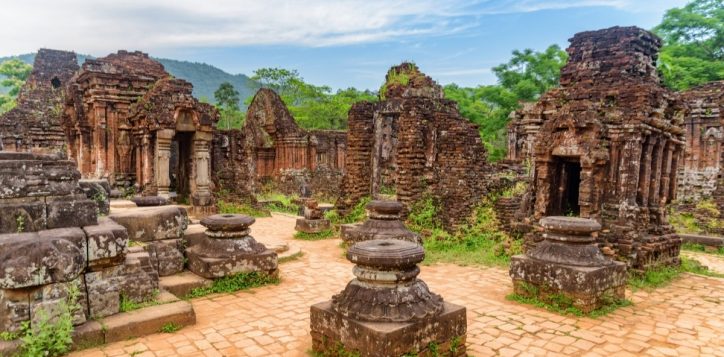
My Son Sanctuary - A World Cultural Heritage Site in Quang Nam

Pullman Danang Beach Resort
Languages

 en
en


en
- English
- 简体中文
- 日本語
- 한국어
- Tiếng Việt
- See this hotel on all.accor.com or brand website in other languages :
My Son Sanctuary - A World Cultural Heritage Site in the Heart of Quang Nam
Hidden among the mountains and forests of Quang Nam, My Son Sanctuary is often likened to a “Valley of the Gods” that has slept for centuries. Once the most important religious centre of the Champa Kingdom, the site preserves mysterious fired-brick temples and towers deeply influenced by Hinduism. What continues to intrigue visitors is how these structures have endured for more than 1,000 years without visible mortar. My Son is not only an architectural heritage site, but also a whisper from history, inviting visitors to uncover mysteries that have transcended time.
Quick Summary of My Son Sanctuary
| Information | Details |
| Address | Duy Phu Commune, Duy Xuyen District, Quang Nam Province |
| Admission fee | Approximately VND 150,000 per adult (including the internal electric shuttle) |
| Opening hours | 6:30–17:30 daily |
| Travel from Da Nang | Approximately 70 km by car or motorbike, taking around 1.5–2 hours |
| Travel from Pullman Danang Beach Resort | ~75 km; guests can combine the visit with a day tour or hire a private car, making it convenient for resort guests |
| Architecture | Champa temple towers built from fired bricks, featuring intricate carvings and strong Hindu influences |
| Top experiences | Explore a UNESCO heritage site, watch traditional Cham dances, take photos within the ancient valley and learn about the mysteries of historic construction techniques |
Journey Back Through the History of the Ancient Champa Kingdom and My Son Sanctuary
Set within a lush green valley in Central Vietnam, My Son was once regarded as the spiritual heart of the ancient Champa Kingdom. More than simply a complex of temples and towers, it was a sacred place where Champa kings made offerings to Shiva – the supreme deity believed to protect the dynasty, its power and its longevity. Each tower rising from the earth can be seen as a prayer, connecting humanity with the gods and the universe.
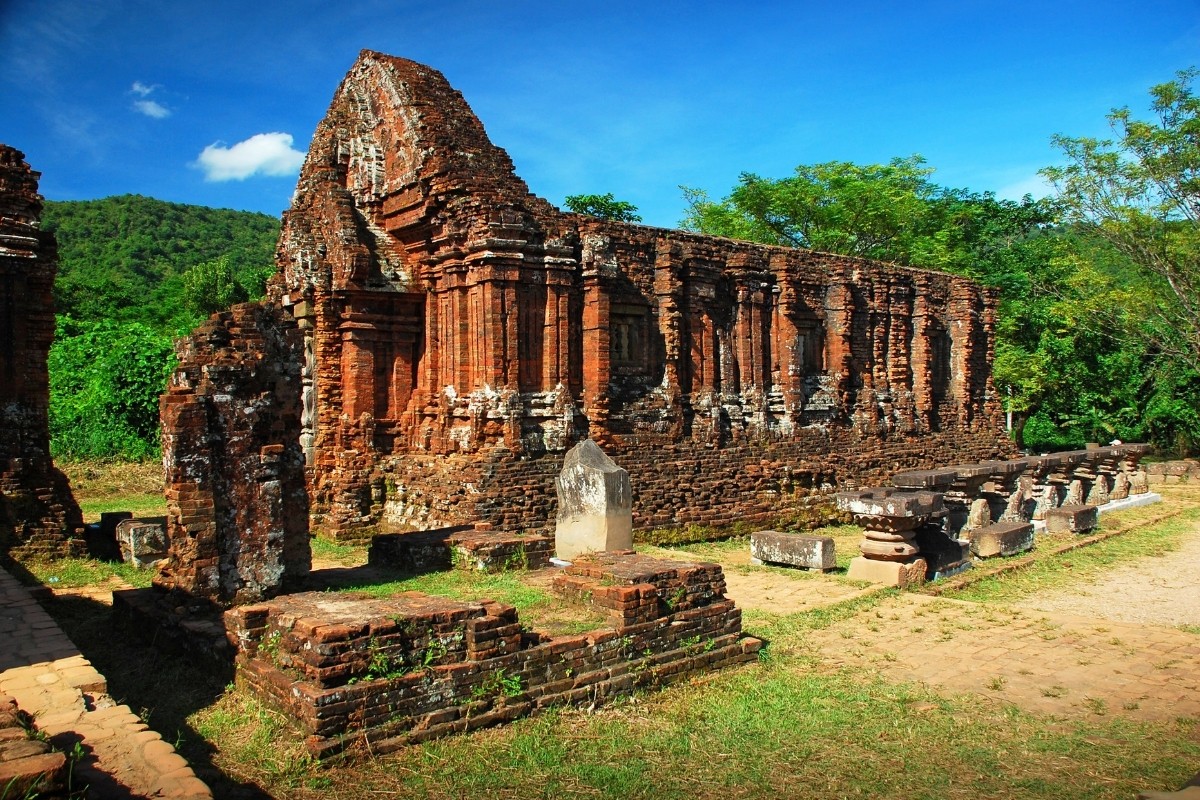
Surrounded by mountains and hills within a valley approximately 2 km wide, My Son feels hidden away and separated from the outside world. This secluded setting helped preserve its sacred value through the centuries, and UNESCO recognised the site as a World Cultural Heritage Site in 1999.
The Unsolved Mysteries of Thousand-Year-Old Architecture
Behind the quiet atmosphere of the My Son valley lie unanswered questions about construction techniques, artistic thinking and the spiritual depth of the ancient Champa civilisation.
The Mysterious Mortarless Construction Technique
The walls of My Son’s towers were assembled from fired bricks fitted so tightly together that it is almost impossible to slide a knife blade between the joints. What makes them remarkable is that the bricks have remained firmly bonded for thousands of years without visible traces of mortar. Several theories suggest that the Cham used a secret adhesive made from dipterocarp tree resin or a special organic compound, but the exact technique remains a subject of debate among archaeologists.
Intricate Art Carved Directly into Fired Brick
Beyond its remarkable construction techniques, My Son also captivates visitors with delicate carvings created directly on the brick surfaces. Graceful Apsara dancers, Hindu deities, mythical creatures and decorative motifs appear vivid and full of movement. Notably, many details are believed to have been carved after the towers were completed, requiring exceptional craftsmanship and a sophisticated understanding of materials from ancient Cham artisans.
Distinctive Temple-Tower Structures Symbolising Sacred Mount Meru
Each tower at My Son is not only an architectural structure but also a spiritual symbol. The solid tower base represents the earthly world, the rising body forms a connection between humanity and the gods, while the roof gradually narrows towards the sky, evoking Mount Meru – the centre of the universe in Hindu cosmology. Together, these elements reflect the profound worldview of the ancient Cham people.
Unmissable Experiences When Visiting My Son Sanctuary
My Son Sanctuary preserves traces of more than 70 temples and towers constructed across different periods of the Champa Kingdom. During a visit to My Son, travellers can combine exploring the tower groups, learning about archaeological remains and watching Cham cultural performances. All three activities are located along the heritage site’s main visitor route and can be arranged within approximately half a day.
1. Explore the Representative Tower Groups (Areas B, C and D)
- Areas:
- Area B: Includes the main worship towers, often associated with the god Shiva, and played a central religious role within the complex.
- Area C: Notable for well-proportioned towers with many clearly preserved carvings, reflecting the advanced construction techniques of the Cham people.
- Area D: Considered a vestibule area used for preparing rituals and connecting the sacred space with the outer area.
- Cost: Included in the heritage site’s admission ticket.
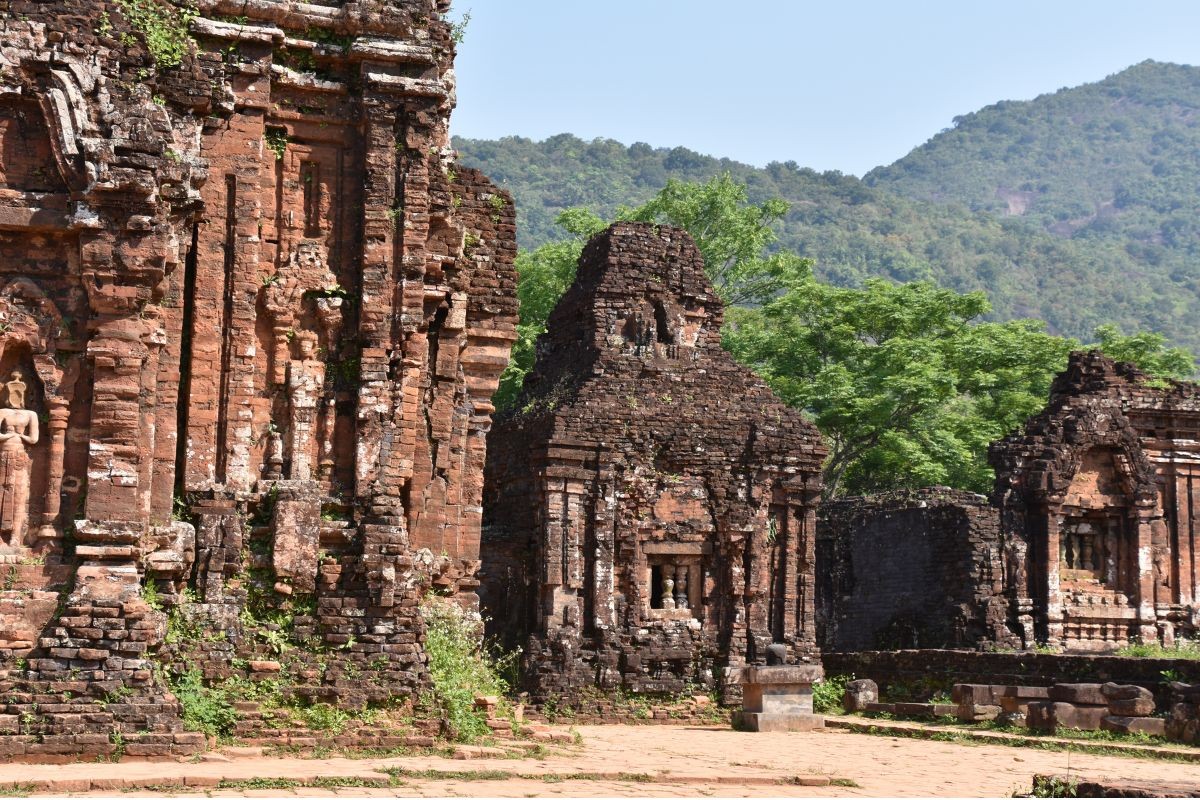
After taking the electric shuttle from the entrance to the central area, visitors begin walking along the main route into the My Son valley. From here, stone and compacted-earth paths lead first to tower group B before continuing to areas C and D. The walking distance is not particularly long, making it suitable for a slow-paced stroll while observing the architecture, mountain scenery and taking photos.
Across the sanctuary, areas B–C–D are considered to contain many of the site’s most beautiful and best-preserved towers. The red-brick walls standing against the green mountains and forests create an ancient and mysterious landscape, making this one of the main photo spots that most visitors should not miss.
2. Enjoy Apsara Dance and Cham Cultural Performances
- Performance areas: Performance House and the area at the foot of tower group G.
- Reference performance schedule: At the foot of tower group G at 09:00 and 14:45; at the Performance House at 09:45, 10:30, 11:15, 14:00 and 16:00.
- Cost: Included in the admission ticket, with no additional ticket required for the standard performances.
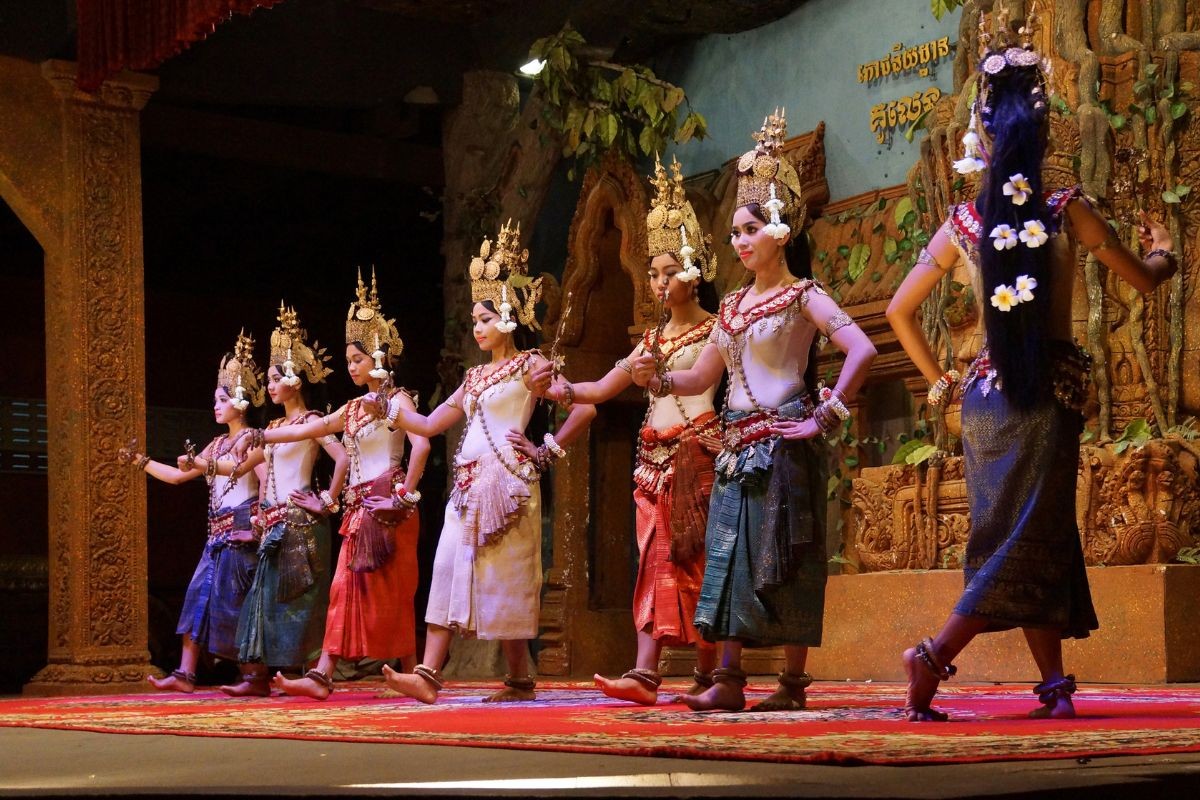
Cham cultural performances give visitors a more visual introduction to the art, music and religious life of the Cham community. Performances often combine Apsara dance, fan dance and water-pot dance with Paranung drums, Ginang drums and Saranai horns.
Apsara dance, in particular, recreates the image of female dancers frequently depicted in Champa reliefs and sculptures. The combination of dance movements, costumes and traditional musical instruments helps audiences better understand the relationship between performing arts and Cham religious beliefs.
Visitors should reconfirm the schedule at the ticket counter before taking the electric shuttle into the temple area. Performance times and locations may be adjusted depending on weather conditions, events or activities taking place within the heritage site.
3. Experience the Distinctive Katê Festival
- Location: Depends on the programme announced each year.
- Time: The seventh month of the Cham calendar, usually falling around September–October in the Gregorian calendar.
- Cost: Depends on the location and programme; it is not automatically included in the My Son admission ticket.
Katê is an important festival in the religious life of the Cham community. However, it is a seasonal event rather than a programme held daily at My Son Sanctuary.
The festival typically includes traditional rituals, Cham costumes, the sounds of Ginang drums and Saranai horns, as well as folk dances. It offers visitors an opportunity to learn more deeply about the religious beliefs and community traditions that the Cham people continue to preserve today.
Before including Katê in your itinerary, check official announcements regarding the event date, location and activities that visitors are permitted to attend.
4. Learn About the Remains of the Ancient Champa Road
- Area: Near the foot of tower K, leading towards the centre of the heritage site.
- Cost: Included in the heritage site’s admission ticket.
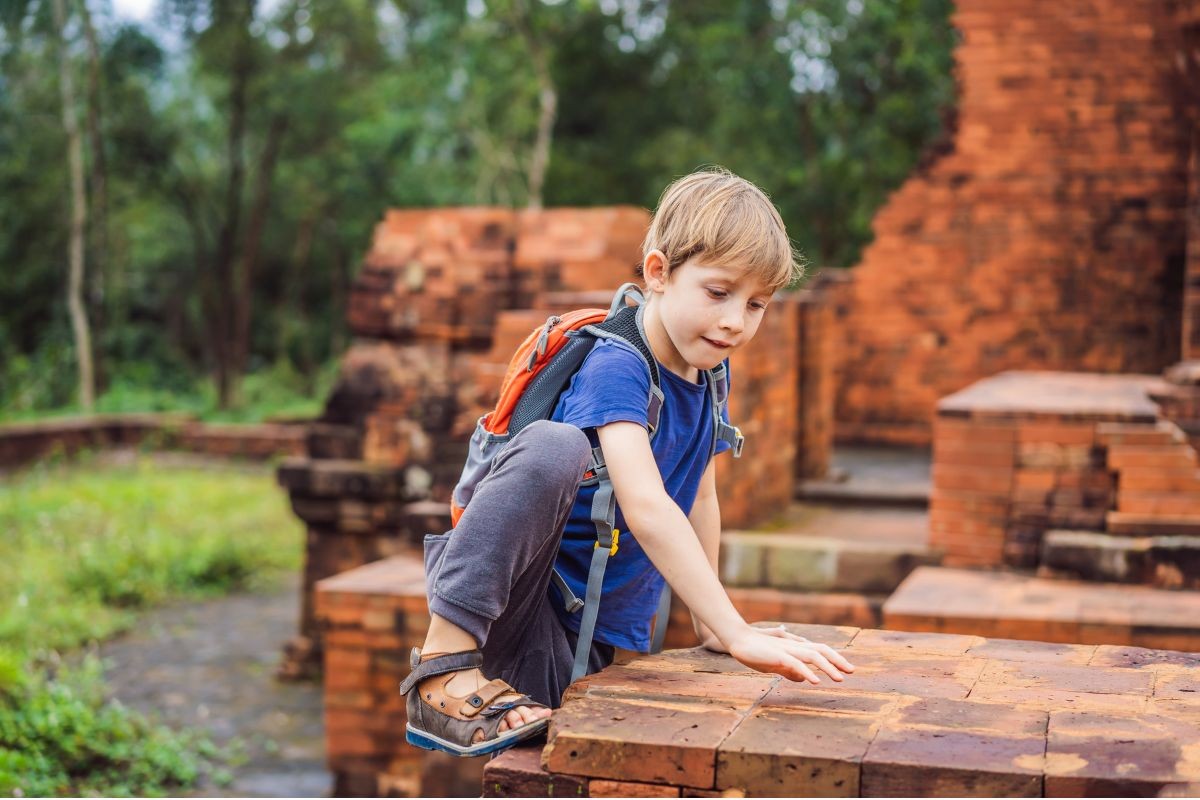
The ancient road was discovered during the restoration of tower K. It lies close to the foot of the tower and leads towards the centre of My Son Sanctuary. The route is approximately 8 m wide, with two parallel brick walls; the road surface was reinforced with compacted earth and fragments of broken fired bricks.
The structure dates to approximately the 12th century and is believed to have served as a ceremonial route for kings, members of the royal family and religious dignitaries. These remains indicate that My Son was once carefully planned with a defined system of paths, transitional areas and worship spaces; visitors should follow the designated visitor route because access may change during conservation work.
Suggested My Son Sanctuary Itinerary
My Son Sanctuary is suitable for a half-day trip or can be combined with Hoi An Ancient Town in a full-day itinerary. To avoid the midday heat and catch the morning Cham cultural performance, visitors should depart Da Nang before 07:30 and allow approximately three hours to explore the heritage site.
| Time | Suggested activity |
| 07:00–08:30 | Depart from central Da Nang or the coastal area by motorbike, private car, taxi or shared tour. The journey to My Son is approximately 45–50 km and usually takes around 1 hour 15 minutes to 1 hour 30 minutes. |
| 08:30–09:00 | Arrive at the visitor reception area, purchase tickets and visit the My Son Museum to see artefacts, reliefs and interpretive materials introducing the complex. Afterwards, take the electric shuttle to the area near the core zone and continue exploring on foot. |
| 09:00–09:40 | Explore tower groups B–C–D and observe how worship structures and ceremonial spaces were arranged within the valley. You can also learn about the remains of the ancient road near tower K if the area is open to visitors. |
| 09:45–10:15 | Watch an Apsara dance and Cham folk cultural performance at the Performance House. This is one of the main morning performances and is included in the admission ticket. |
| 10:15–11:30 | Continue exploring the remaining tower groups, take photos in areas open to visitors and return to the electric shuttle point. Visitors should follow the signs and avoid touching or climbing on architectural structures. |
| 11:30–13:00 | Leave My Son and travel towards Hoi An. Visitors can have lunch in the Duy Xuyen area or stop along the way to try Mi Quang, Cau Mong rare veal or other local dishes. |
| 13:00–16:30 | Arrive in Hoi An and rest at a café before exploring the Ancient Town, assembly halls, historic houses, the Japanese Covered Bridge and streets along the Hoai River. A slower walking pace is recommended to avoid making the itinerary too busy after the morning at My Son. |
| 16:30–19:30 | Have dinner with cao lau, Hoi An chicken rice or other local dishes, then walk around the town and admire the lanterns as the Ancient Town begins to light up. |
| 19:30–21:00 | Depart for Da Nang. The finishing time can be adjusted depending on traffic, transport arrangements and how long visitors wish to stay in Hoi An. |
How to Get to My Son Sanctuary from Da Nang and Hoi An
Travelling from Da Nang to My Son Sanctuary
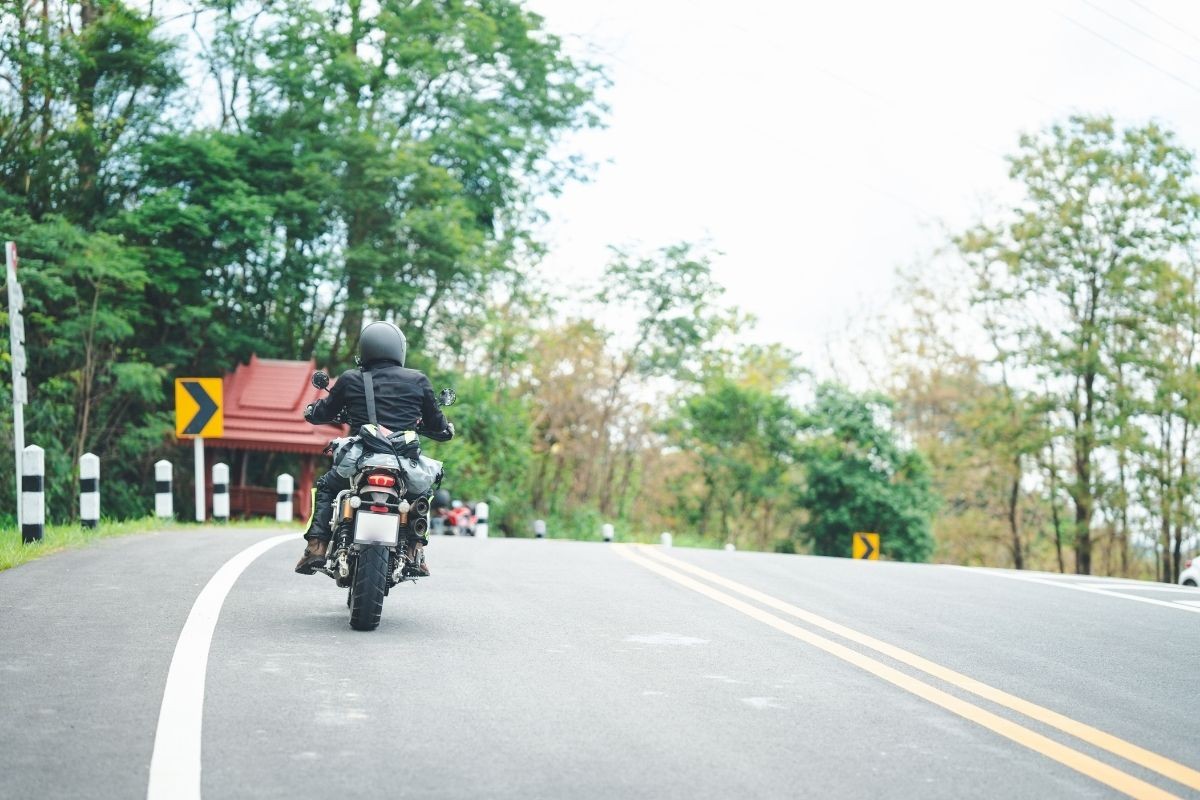
- Route: From central Da Nang or the coastal area, follow National Highway 1A south towards Nam Phuoc, then continue in the direction of Tra Kieu – My Son and follow the signs to the heritage site.
- Distance from central Da Nang: Approximately 35–45 km depending on your starting point; travel time is around 1 hour–1 hour 30 minutes.
- Suitable for: Visitors staying in central Da Nang, the My Khe Beach area, Bac My An or beachfront resorts.
- Note: Depart before 07:30 if you want to explore while the weather is still cool and arrive in time for the morning performance.
Travelling from Hoi An to My Son Sanctuary
- Route: From Hoi An Ancient Town, travel towards Cam Kim – Duy Phuoc, continue to the Nam Phuoc area and follow signs to My Son. Visitors can also choose the route via Hung Vuong Street and provincial roads leading towards the heritage site.
- Distance from Hoi An Ancient Town: Approximately 35–45 km depending on your starting point; travel time is around 1 hour–1 hour 30 minutes.
- Suitable for: Visitors who want to explore My Son in half a day or combine My Son in the morning with Hoi An Ancient Town in the afternoon.
- Note: Some sections of the route pass through residential and rural areas, so follow road signs carefully, check your fuel level and avoid travelling too late in the evening.
Enjoy Quang Nam Cuisine Along the Journey to My Son
A journey to My Son Sanctuary is also an opportunity to discover some of Quang Nam’s distinctive local dishes. After completing the visitor route, travellers can have a meal in Duy Xuyen or stop in Phu Chiem, Cau Mong and Hoi An as they continue their journey.
- Cau Mong rare veal: This is one of the best-known specialities of the Cau Mong area and a convenient stop when travelling between My Son, Hoi An and Da Nang. The veal is roasted over charcoal so that the skin develops a slight crispness while the meat remains tender and naturally sweet. It is usually sliced thinly and wrapped with rice paper, fresh herbs, green banana and sour star fruit. The dipping sauce is prepared with fish sauce, lime, garlic, chilli and toasted sesame, creating a balance of salty, spicy and sour flavours that complements the veal.
- Phu Chiem noodles: Phu Chiem noodles originated in the Phu Chiem area beside the Thu Bon River and are suitable for enjoying on the route from My Son back to Hoi An or Da Nang. The soft yet chewy white noodles are served with pork belly, prawns and a moderate amount of broth. The dish usually comes with bean sprouts, shredded water spinach, herbs, peanuts and grilled rice crackers. It is a suitable choice for lunch after spending approximately two to three hours walking and sightseeing at the heritage site.
- Banh dap: Banh dap combines crispy grilled rice paper with a soft layer of steamed rice sheet. To eat it, the two layers are folded together and gently pressed so they adhere, then dipped into fish sauce or fermented anchovy sauce mixed with chilli. The portion is relatively light, making it suitable as a snack between meals or alongside other local cakes. Some places also serve a dry version made entirely with crisp grilled rice paper.
- Quang Nam banh beo: Quang Nam-style banh beo is made from rice flour and often topped with a filling of prawns, pork, mushrooms or wood ear mushrooms. It is served with seasoned fish sauce and may also be accompanied by fresh herbs depending on local serving styles. Compared with Cau Mong veal or Phu Chiem noodles, banh beo is a lighter option and suits travellers who want to sample several dishes in one meal. It can be found easily in Duy Xuyen, Hoi An and residential areas along the route.
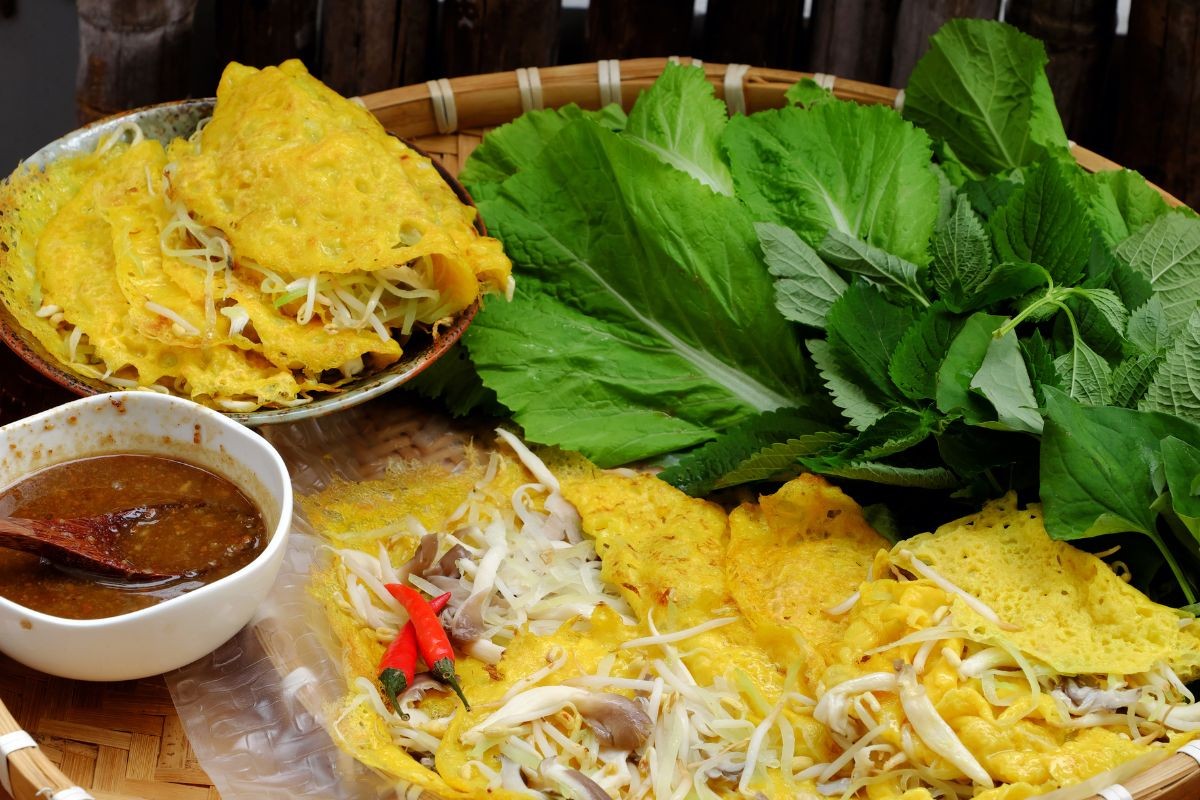
- Central Vietnamese banh xeo: Banh xeo is made from rice flour mixed with turmeric, cooked into a thin pancake and filled with prawns, pork and bean sprouts. When fried, the edges become crisp while the filling remains tender and naturally sweet. The pancake is usually wrapped with fresh herbs and rice paper, then served with sweet-and-sour dipping sauce or a house dipping sauce unique to each restaurant. It is particularly suitable for families or groups of friends who want to order several portions to share.
- Banh to: Banh to is a traditional Quang Nam cake most commonly enjoyed during Tet. Its main ingredients are glutinous rice and dark cane sugar, creating a chewy texture and rich sweetness. It can be eaten directly, reheated by steaming or sliced thinly and fried. Because it is seasonal, visitors should check availability in advance if they want to buy banh to as a gift outside the Tet period.
If staying at Pullman Danang Beach Resort, guests can experience several dining styles without leaving the resort:
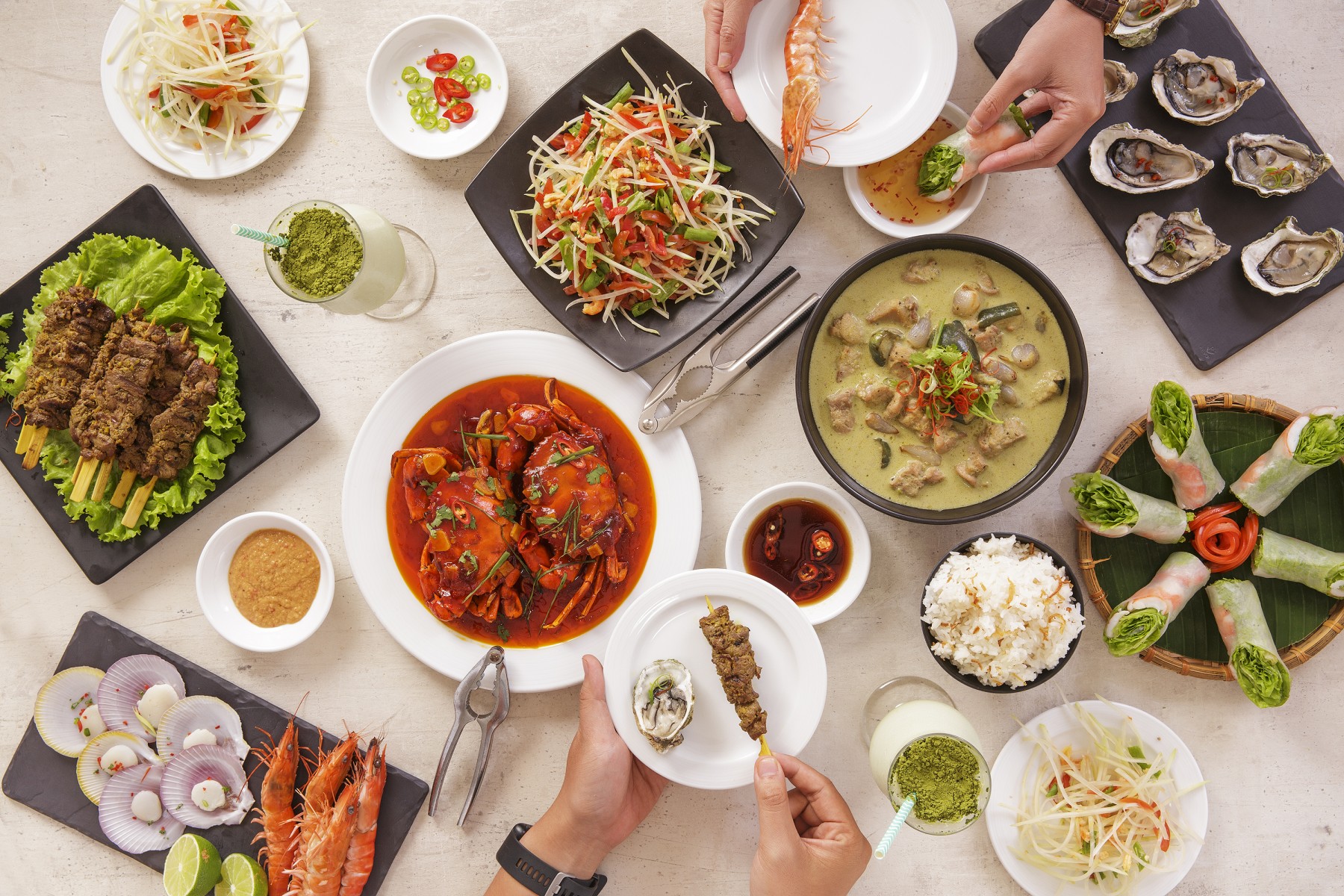
- Azure Beach Lounge: A restaurant and beach lounge beside Bac My An Beach, serving seafood, European dishes with Vietnamese flavours, cocktails and mocktails in an ocean-facing setting.
- Epice Restaurant: Serves a breakfast buffet and an international menu featuring a variety of local dishes.
- Infinity Bar: A suitable setting for cocktails, drinks and sunset views after a day exploring the city.
Travel Tips and Essential Things to Know Before Your Visit
To make your visit to My Son Sanctuary as smooth and enjoyable as possible, prepare carefully for your departure time, clothing and any additional services you may need. My Son lies within a valley, midday sunshine can be intense and the visit involves a considerable amount of walking, so a well-planned itinerary will help you experience the heritage site more comfortably.
- Best time to visit: Visit early in the morning (before 9:00) or later in the afternoon (after 15:00) to avoid the strongest heat, enjoy more comfortable temperatures and benefit from better light for photography.
- What to wear: Choose comfortable clothing, trainers or soft-soled sandals; bring a hat, sunglasses and sunscreen because much of the visit takes place outdoors.
- Ticket prices and opening hours: Admission currently costs VND 100,000 for domestic visitors, VND 150,000 for international visitors and VND 30,000 for children aged 5–15. Tickets include access to the My Son Museum, electric shuttle transfers, Cham folk cultural performances and the temple-tower complex. The heritage site is open from 06:00–18:00; the ticket counter and museum operate until 17:00.
- Interpretation service: Visitors can register for a guided interpretation service at the electric shuttle stop for the current fee of VND 100,000 per guide ticket. The standard guided route lasts approximately 60 minutes; from 1 February 2026, each group is limited to a maximum of 30 visitors, and the number of guide tickets required is calculated according to group size.
- Visitor guidelines: Visitors should follow the designated routes, avoid touching artefacts, refrain from climbing on structures and never enter archaeological excavation or restoration areas without permission. Performance schedules, visitor access and certain outdoor activities may be adjusted during unfavourable weather.
Recharge After Your Heritage Journey at Pullman Danang Beach Resort
My Son Sanctuary is well suited to a day trip from Da Nang, particularly when combined with Hoi An Ancient Town along the same route. After exploring My Son amid the sun, wind and dusty roads, your body may feel tired, especially your legs after several hours of walking. Returning to Pullman Danang Beach Resort brings you into a beachfront retreat designed for both physical and mental recovery.
Relax with a soothing massage treatment at Nang Spa, helping relieve muscle tension and restore your energy. As afternoon fades, enjoy a refreshing cocktail at Infinity Bar, where the gentle sea breeze helps ease away the fatigue of the day. Complete your journey with an elegant dinner at Azure, where refined cuisine and a sophisticated setting come together for a satisfying end to a day of heritage exploration.
Book your stay at Pullman Danang Beach Resort – a refined base connecting you with the region’s mysterious World Heritage sites.
Access
Pullman Danang Beach Resort ☆☆☆☆☆
101 Vo Nguyen Giap Street, Ngu Hanh Son Ward , 550000 Danang
Vietnam
Tel: +84 236 395 8888
Fax: +84 236 395 1898
Email:
H8838@accor.com